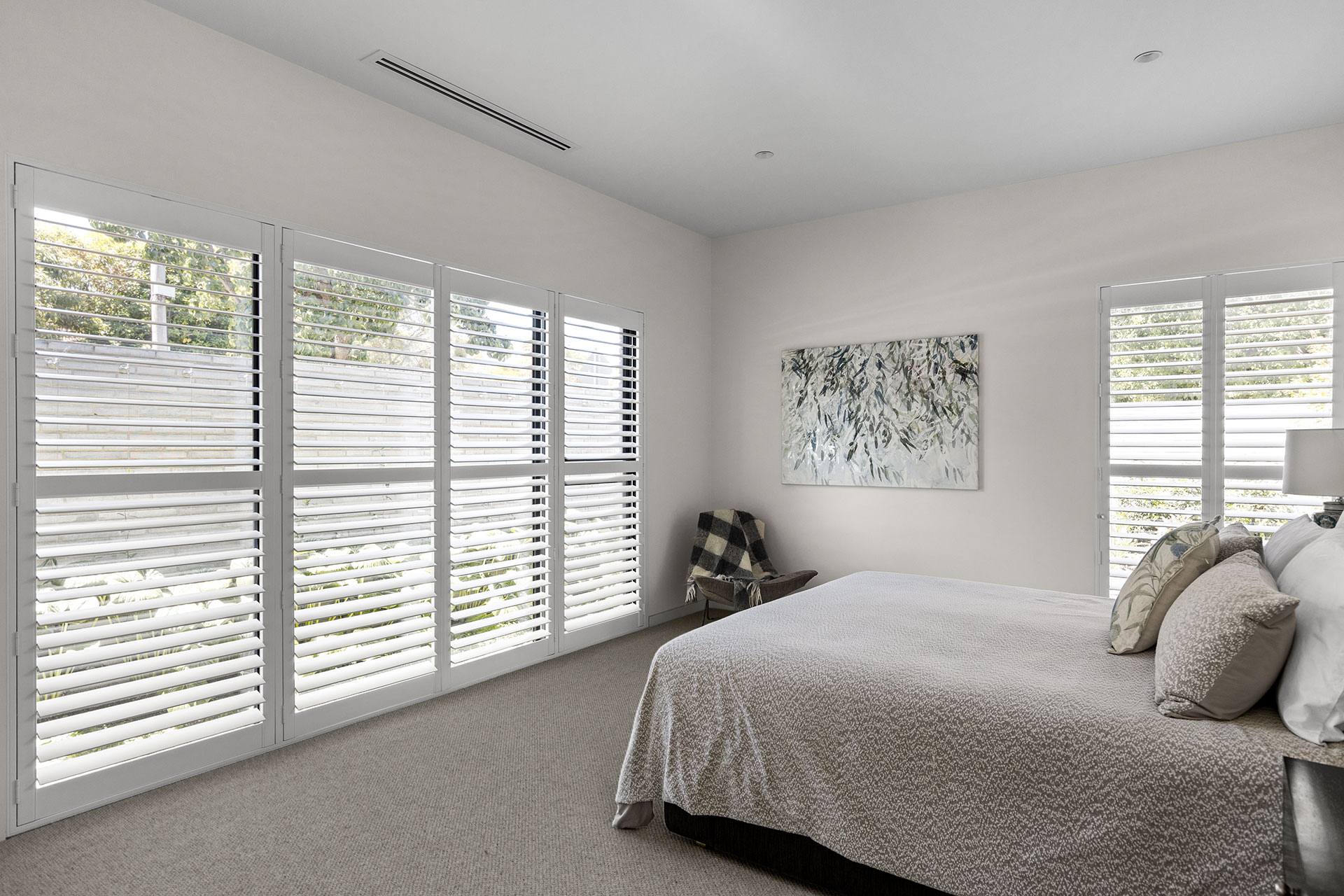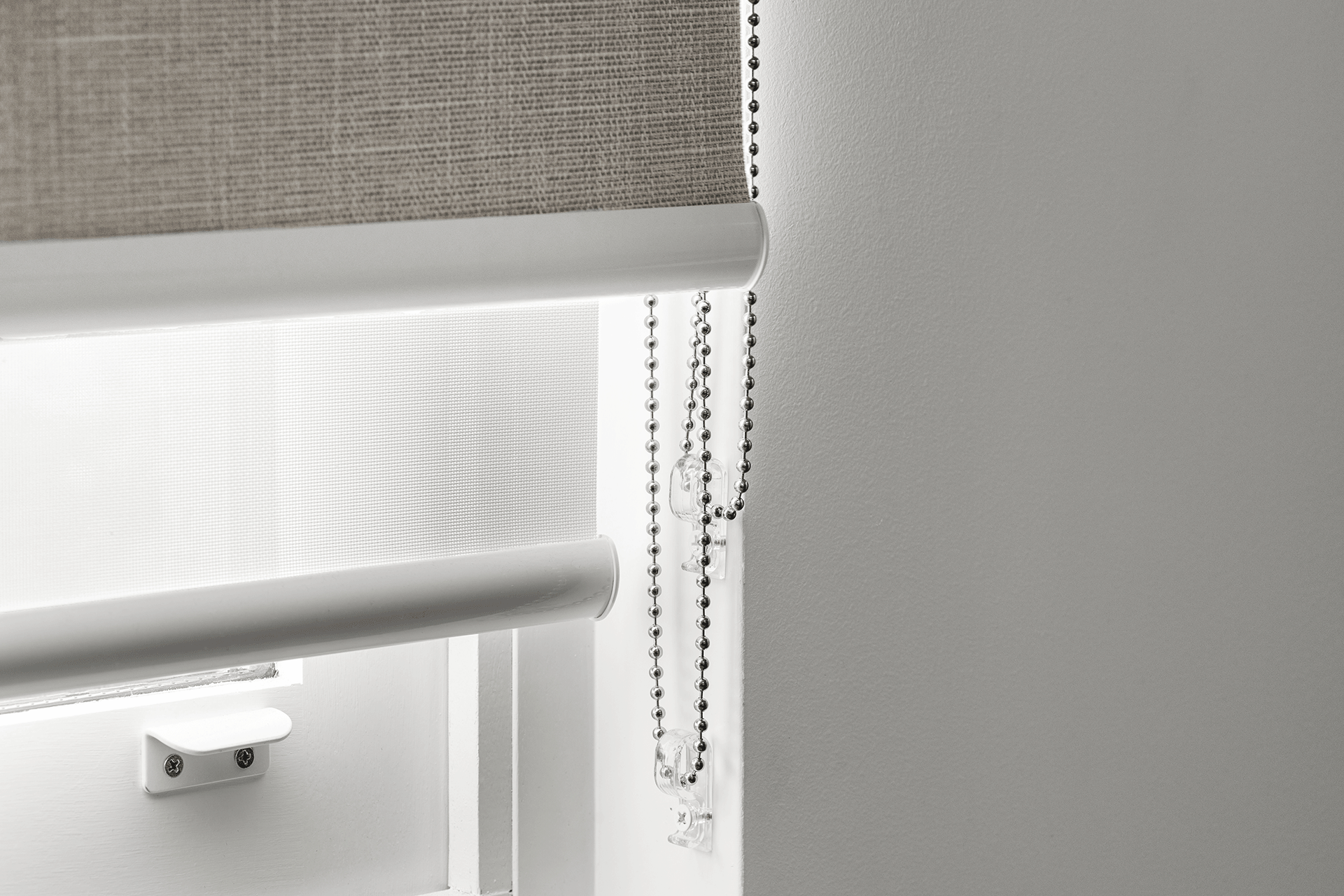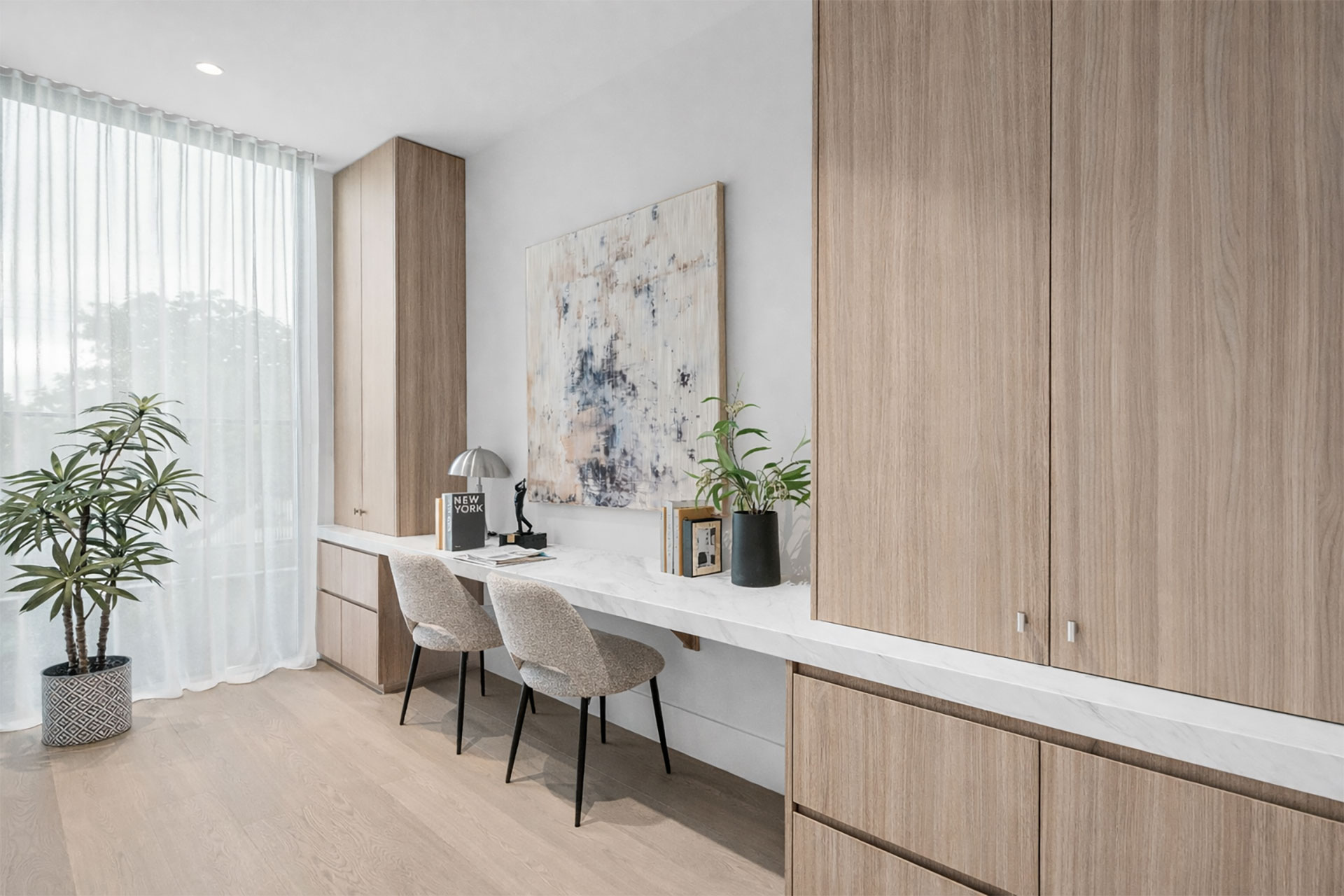
Windows are where the festive season shows from the street and feels inside the home. The difference between “styled” and “cluttered” is restraint and placement.
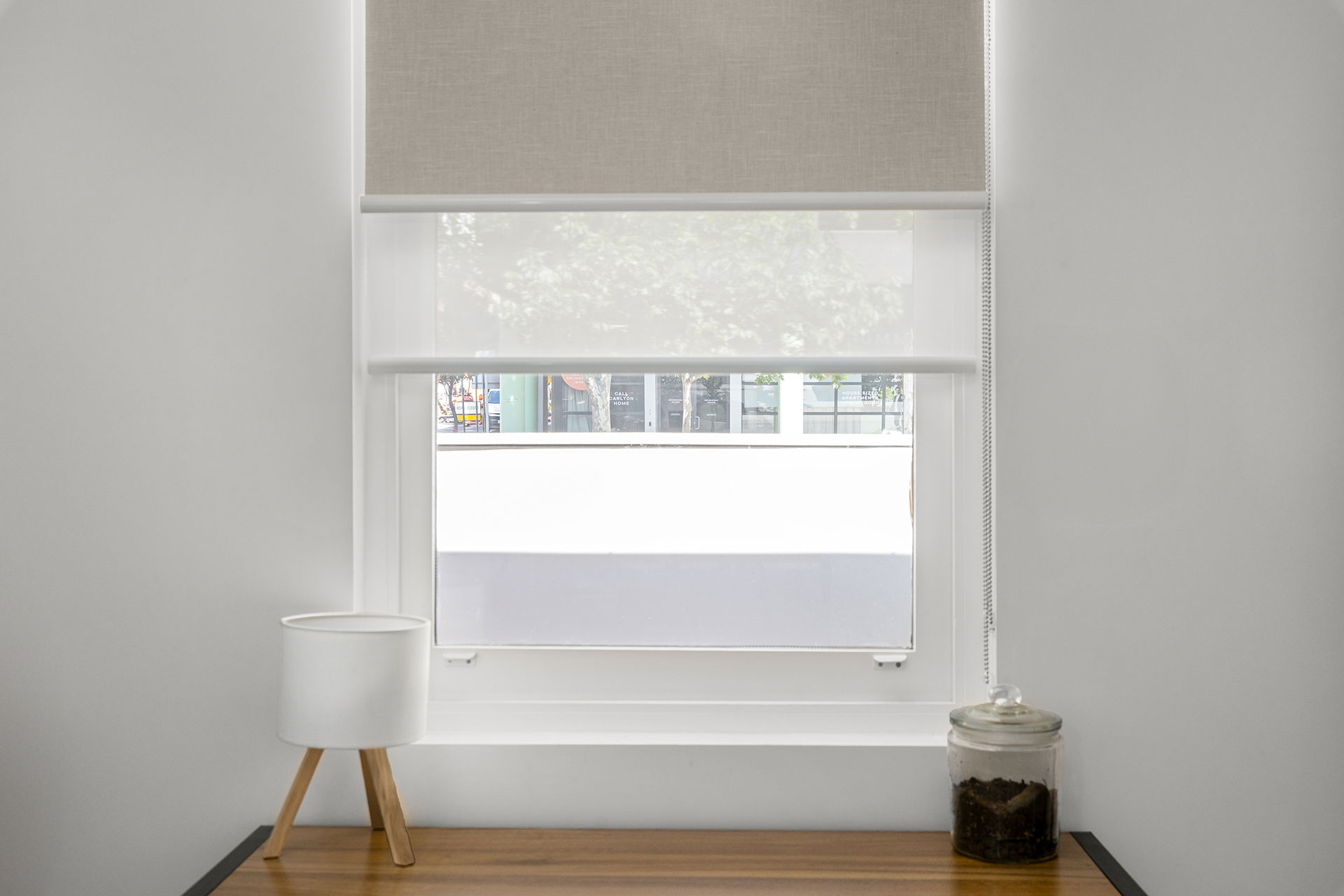
Most “cold house” complaints are window complaints in disguise. Australian guidance regularly points to windows as a major heat-loss pathway, with around 40% of heating energy potentially lost through windows in winter.
Replacing glazing can be expensive. Window furnishings are often the fastest way to make a room feel less drafty, less variable and cheaper to heat.
Start with the physics, not the product
Heat loss through windows is driven by:
The best window furnishings reduce air movement near the glass and trap still air. That’s why snug fit and pelmets matter. YourHome spells this out: snugly fitted blinds/curtains with pelmets trap a layer of still air and reduce convective heat transfer.
What works best, in practice
Room-by-room winter picks (Melbourne reality)
Pelmets: the detail that changes results
A pelmet reduces air movement at the top edge. Without it, warm air can circulate behind the curtain and drop along the cold glass, creating a continuous “cold fall” next to the window. YourHome and energy.gov.au both recommend pelmets for improving performance.
Winter also changes condensation risk
Condensation is a behaviour + building + climate mix. The NCC condensation handbook describes condensation as the result of complex interactions between environment, construction and occupant behaviour.
Heavy, sealed-up rooms can hold more moisture if ventilation is poor. A winter setup that works well is:
Disclaimer: Please note, information contained in this page is general information only. Installation must follow manufacturer instructions and comply with Australian product safety requirements.
Environmental consciousness is no longer optional—it's essential. Homeowners are increasingly choosing window treatments made from sustainable materials like organic cotton, bamboo, and recycled fabrics. These eco-friendly options don't compromise on style or quality, offering beautiful textures and durability while reducing environmental impact.

Motorisation continues to dominate the market, but now with even more sophisticated features. Voice control, app integration, and automated schedules based on sunrise and sunset times are becoming standard expectations. The convenience of controlling your blinds from bed or while away from home is transforming how we interact with our living spaces.
The layered look is making a strong comeback. Combining sheer curtains with blockout options, or pairing blinds with decorative drapes, creates depth and versatility. This approach allows you to adjust light levels and privacy throughout the day while adding visual interest to your windows.
While neutrals remain popular, 2025 is seeing a surge in bold, statement-making window treatments. Rich jewel tones, dramatic patterns, and textured fabrics are being used to create focal points and express personality. Don't be afraid to make your windows a feature rather than just a functional element.
Clean lines and simplicity continue to appeal to modern homeowners. Sleek roller blinds in neutral tones complement minimalist interiors while providing excellent functionality. The beauty lies in their simplicity—no fuss, just pure efficiency and style.
When selecting window treatments, consider your lifestyle, aesthetic preferences, and functional needs. Each trend offers unique benefits, and the best choice depends on your specific situation. Our team at Luxe Interiors is here to help you navigate these options and find the perfect solution for your home.
Book a consultation to discuss your project with our experts