Windows are where the festive season shows from the street and feels inside the home. The difference between “styled” and “cluttered” is restraint and placement.
Motorisation is simple: a small motor does the moving and you control it with a remote, an app, a wall switch, or voice.
People usually think motorisation is a “nice-to-have”. In practice, it’s often the cleanest way to solve three problems at once: hard-to-reach windows, cord safety and consistent temperature control.
What gets motorised
– Roller blinds (including double rollers)
– Roman blinds (depending on design/weight)
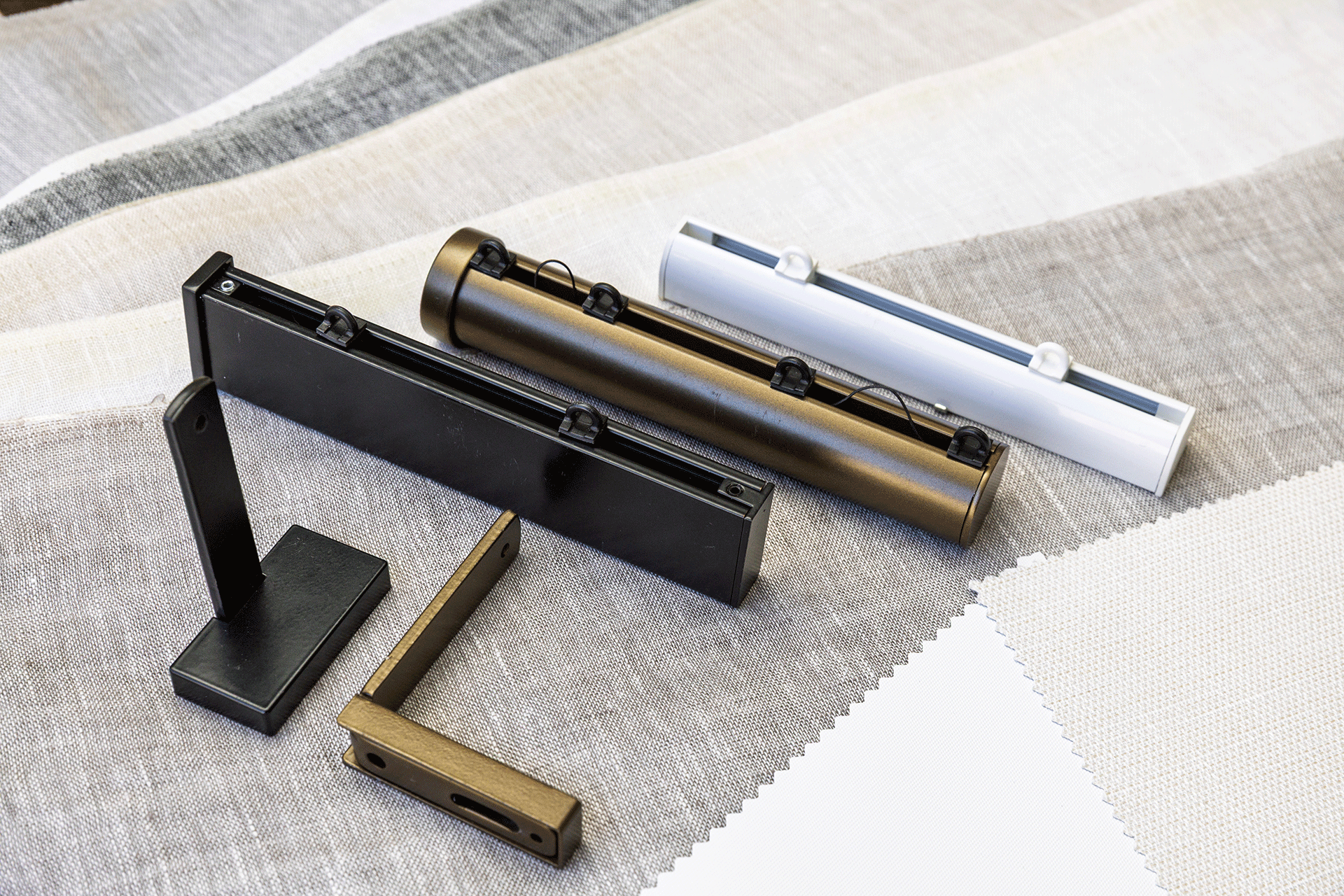
– Curtain tracks (sheers, blockouts, or both)
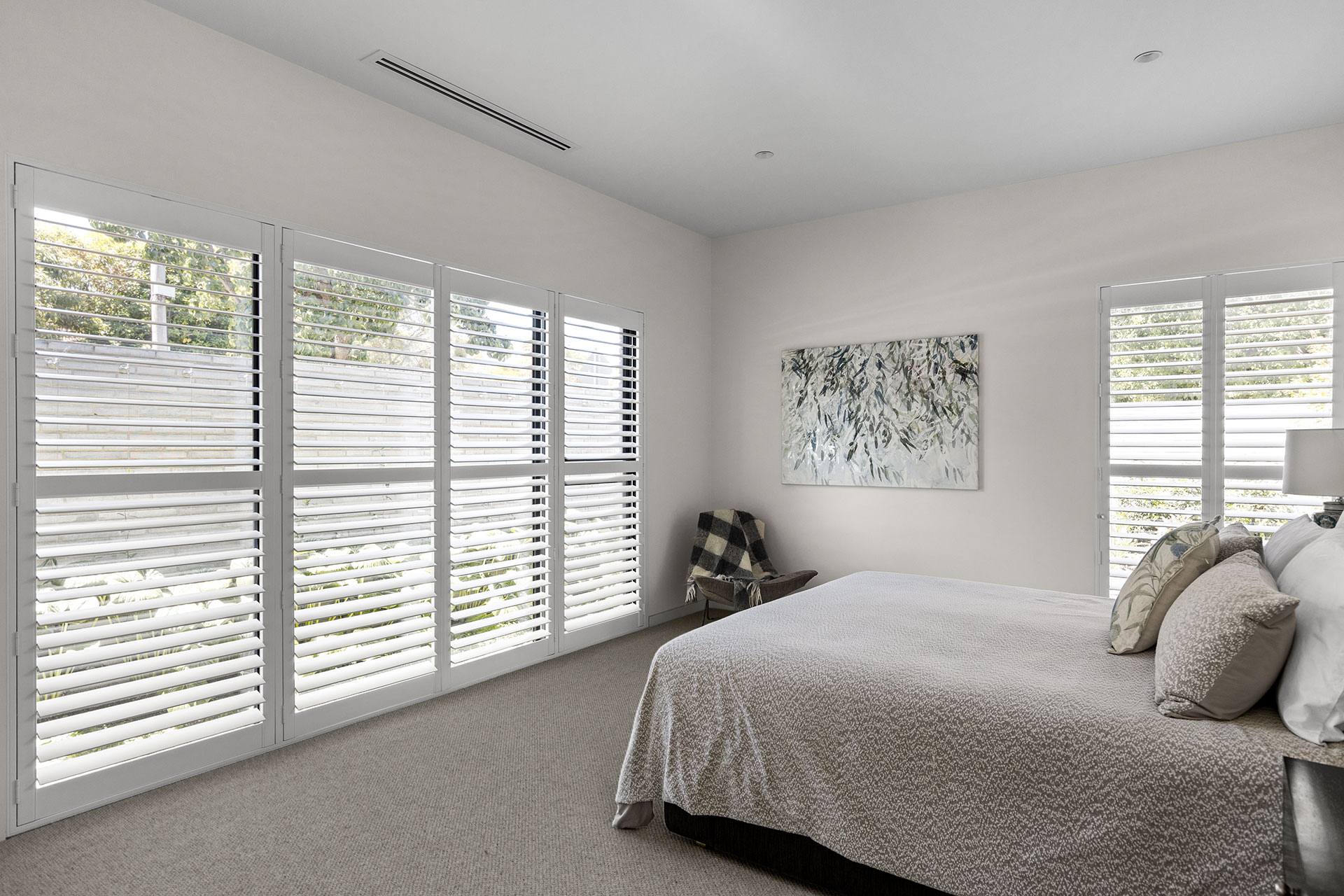
– Some shutters (case-by-case)
How you control it
Most systems land in one of these patterns:
– Remote control: simple, reliable, low friction for daily use.
– App control: useful for schedules, groups (e.g., “all bedrooms”) and when you’re away.
– Voice control: practical when hands are full or for accessibility. Major motor brands support compatibility with voice assistants such as Google Assistant and Amazon Alexa through their smart control ecosystems.
Why smart homes keep pulling motorisation forward Australians are adding smart devices faster than most people realise. Telsyte reports 7.6 million Australian households have adopted at least one smart home product.
That matters because window coverings are one of the few “smart” upgrades you physically feel every day: light, privacy, heat and routine.
Power options: battery vs wired
The best option depends on the build and how many windows you’re motorising.
The buying habit here is predictable: many homeowners start by motorising one or two problem windows (high voids, big sliders, master bedroom curtains), then expand once the daily convenience becomes obvious.
Motorisation as an energy habit
Windows are a major thermal weak point in Australian housing. Up to 87% of heat gain in summer and up to 40% of heat loss in winter can be through windows.
Motorisation makes it easier to run a consistent “close it early” routine without remembering. That routine is recommended by Australian government energy guidance: close-fitting lined curtains or blinds and pelmets help maximise temperature control year-round.
A practical automation setup looks like this:
– Summer: close west-facing blinds before the late-afternoon sun hits; reopen later for evening ventilation.
– Winter: open north-facing blinds during the day for passive warmth; close at dusk to trap heat.
Safety: cords, kids and compliance
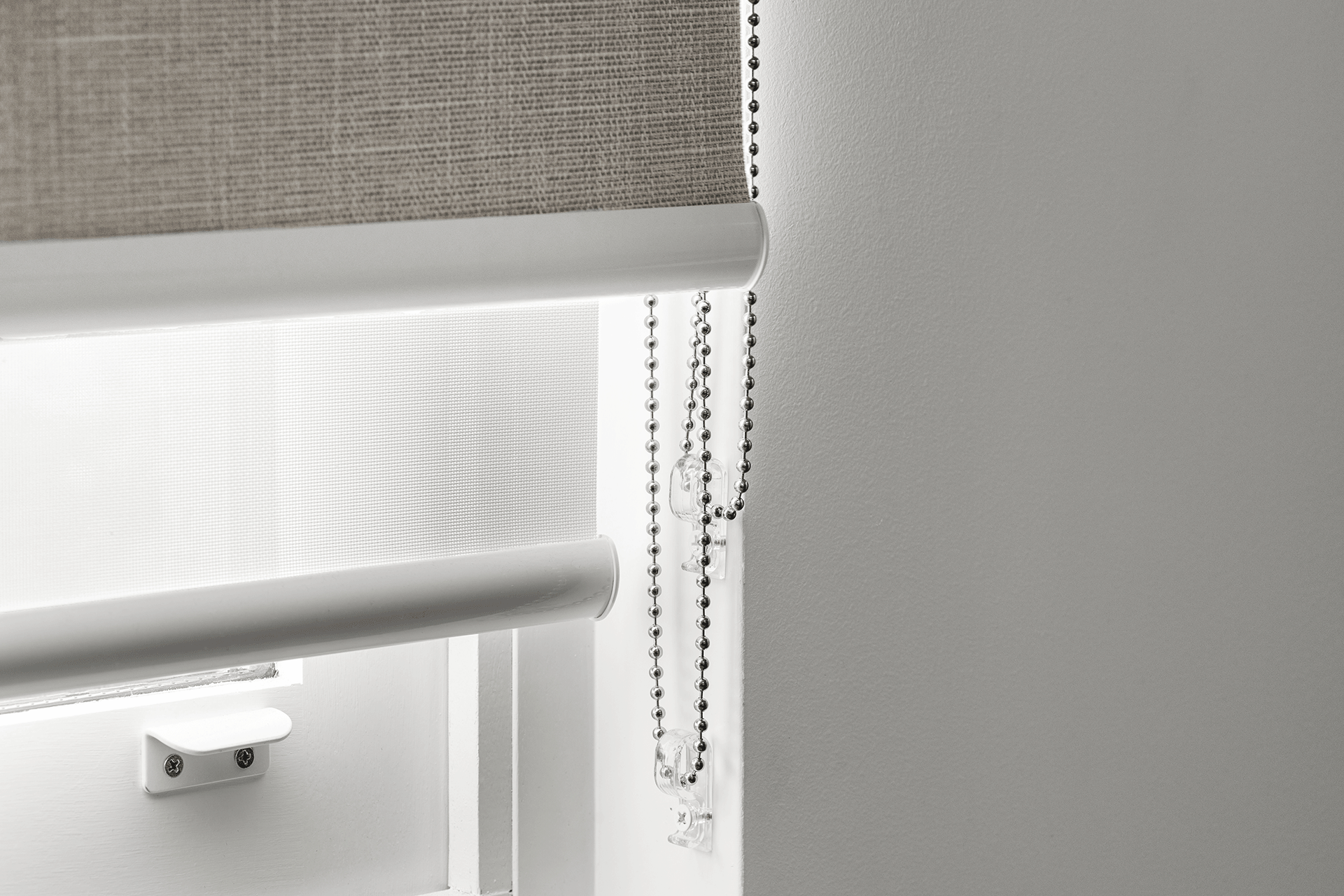
Corded internal window coverings have a mandatory safety standard in Australia that includes installation requirements (e.g., cord guides/cleats and keeping cords from forming hazardous loops at accessible heights).
Motorisation removes cords from daily use, which reduces one of the major hazards. This is one of the strongest non-aesthetic reasons families upgrade.
What to decide before you choose a motor Motorisation works best when these are clear upfront:
1) What problem you’re solving – privacy routine, glare, heat, accessibility, oversized curtains, kids’ rooms
2) How many windows and how you’ll group them – “all living”, “all bedrooms”, “street-facing”, “upstairs”
3) Power and access – battery access for charging, or wired power planning
4) Control preference – remote-first vs app-first, plus voice as a layer
5) Noise and speed expectations – most modern motors are quiet, but every home has different acoustics and mounting conditions
Where motorisation has the biggest impact – Double-storey void windows
– Sliding doors with heavy curtains
– Bedrooms where morning light control matters
– Street-facing rooms where a timed privacy routine is useful
– Homes with kids, where cords are an active risk
Disclaimer: Please note, information contained in this page is general information only. Installation must follow manufacturer instructions and comply with Australian product safety requirements
Environmental consciousness is no longer optional—it's essential. Homeowners are increasingly choosing window treatments made from sustainable materials like organic cotton, bamboo, and recycled fabrics. These eco-friendly options don't compromise on style or quality, offering beautiful textures and durability while reducing environmental impact.

Motorisation continues to dominate the market, but now with even more sophisticated features. Voice control, app integration, and automated schedules based on sunrise and sunset times are becoming standard expectations. The convenience of controlling your blinds from bed or while away from home is transforming how we interact with our living spaces.
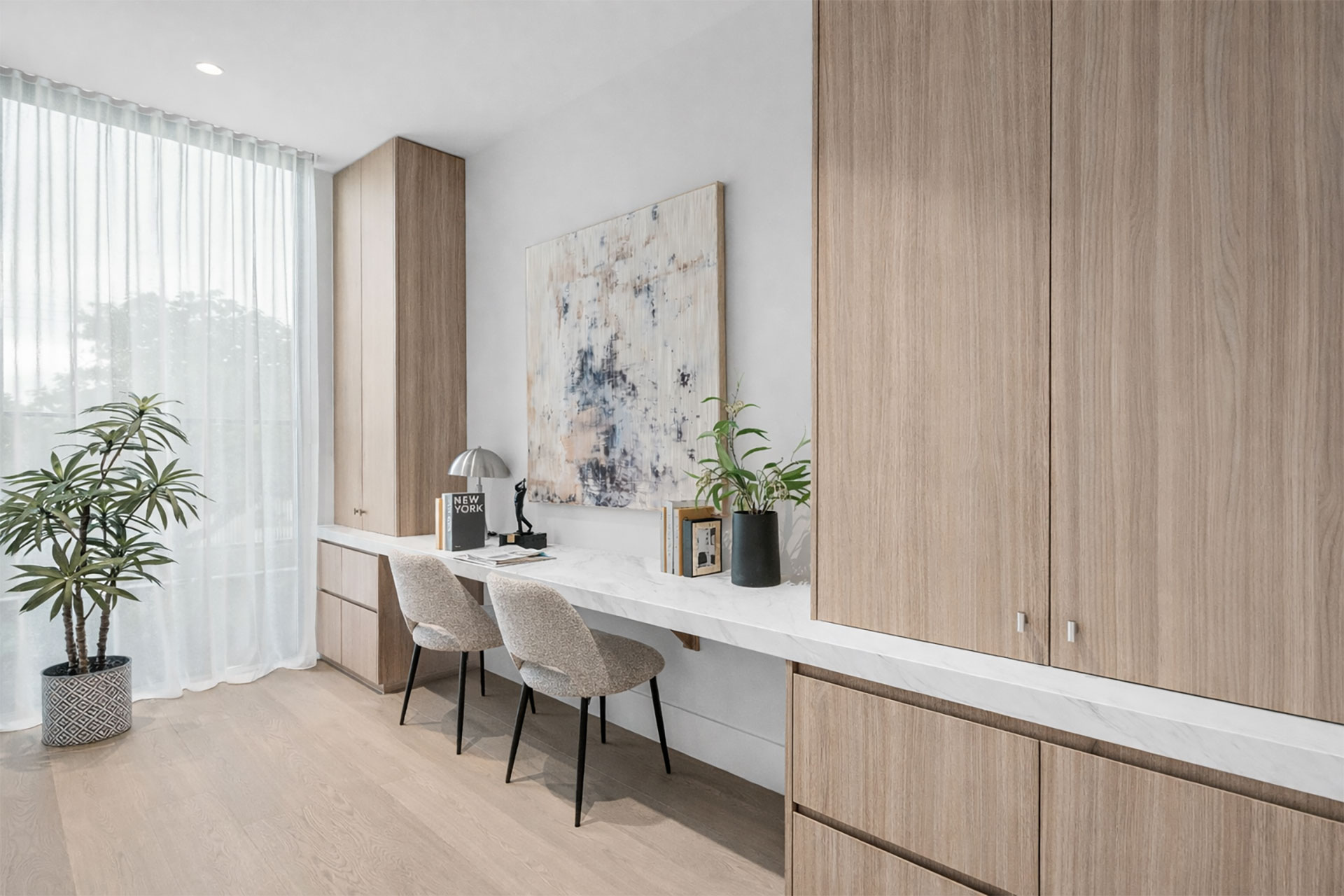
The layered look is making a strong comeback. Combining sheer curtains with blockout options, or pairing blinds with decorative drapes, creates depth and versatility. This approach allows you to adjust light levels and privacy throughout the day while adding visual interest to your windows.
While neutrals remain popular, 2025 is seeing a surge in bold, statement-making window treatments. Rich jewel tones, dramatic patterns, and textured fabrics are being used to create focal points and express personality. Don't be afraid to make your windows a feature rather than just a functional element.
Clean lines and simplicity continue to appeal to modern homeowners. Sleek roller blinds in neutral tones complement minimalist interiors while providing excellent functionality. The beauty lies in their simplicity—no fuss, just pure efficiency and style.
When selecting window treatments, consider your lifestyle, aesthetic preferences, and functional needs. Each trend offers unique benefits, and the best choice depends on your specific situation. Our team at Luxe Interiors is here to help you navigate these options and find the perfect solution for your home.
Book a consultation to discuss your project with our experts